
Typing “aesthetic laser training near me” and getting a page of generic results that don’t tell you where the training actually happens, what equipment you’ll get hands-on time with, or whether you even qualify, that’s the usual experience, and it wastes time.
So here’s the practical version: where this training is actually offered in Pakistan right now, what device-based aesthetic work involves day to day, and how to tell a program with real hands-on access from one that’s mostly theory.
Training as a doctor? See our 3-day non-invasive aesthetics course, the 2026 course fees and the aesthetic courses for doctors.
What "Aesthetic Laser Training" Actually Means
This isn’t one single skill, it covers a group of non-invasive, device-based treatments that work on the skin without needles or incisions. Depending on the program, that can include:
- HIFU (High-Intensity Focused Ultrasound) non-surgical skin tightening
- Microneedling: often device-assisted for controlled depth and consistency
- Chemical peels: not device-based, but usually taught alongside laser/device work as part of a broader non-invasive curriculum
- Skin boosters and rejuvenation treatments
If a course is marketed purely as “laser training,” it’s worth asking exactly which devices and modalities are included, the term gets used loosely, and equipment access varies a lot between institutes.
Where to Find It: Lahore vs. Islamabad
This is usually the actual question behind a “near me” search, which city has training you can physically attend without relocating.
London Aesthetics U.K. Training Institute runs its non-invasive, device-based training track out of both Lahore and Islamabad, so practitioners based in either city get local, hands-on access instead of having to travel for the practical sessions, which, for device training especially, matters. You genuinely need repetition on the equipment to build real technique, and that’s hard to get if you’re flying in for a single weekend.
If you’re based in Islamabad specifically, it’s also worth checking our dedicated breakdown of aesthetic courses in Islamabad for admissions and course-track details local to that campus.
What a Real Device-Based Training Program Should Include
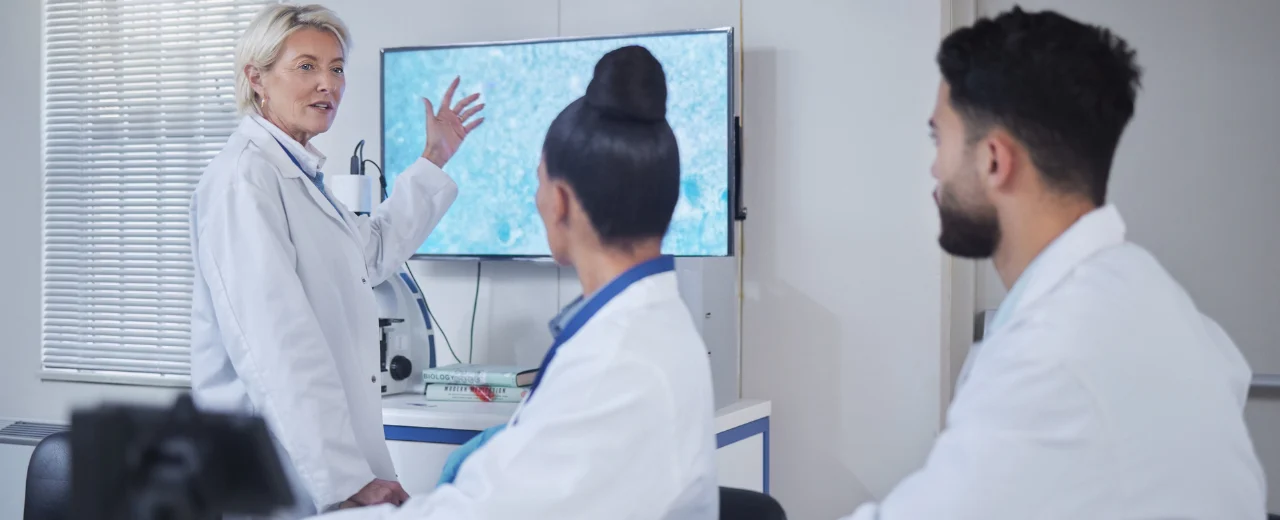
A few things separate legitimate hands-on training from a glorified product demo:
- Actual device time, not just observation, you should be operating the equipment yourself under supervision, not watching a trainer do it once.
- Client/patient practice sessions, real skin, real settings, not just mannequins.
- Safety and contraindication training, knowing when not to use a device is as important as knowing how.
- Settings and calibration knowledge, different skin types and treatment areas need different device parameters; this shouldn’t be glossed over.
- Aftercare protocol training, what to tell clients post-treatment, and how to handle any adverse reactions.
Botox Injection Course: How It Fits Alongside Laser/Device Training
A lot of practitioners searching for laser training are also weighing whether to add a Botox injection course to their skill set, and it’s worth understanding they sit in different eligibility categories.
Device-based and non-invasive treatments are generally open to qualifying non-medical professionals. Botox, being an injectable, is restricted to MBBS doctors registered with PMDC/PMC, due to the medical risk involved in administering it.
At London Aesthetics U.K. Training Institute, Botox training is led directly by Dr. Salma Merritt, Chief Medical Officer and UK Master Trainer with over 20 years of clinical experience, so if you’re building toward a combined skill set (device-based plus injectables), it’s worth planning which course track you’re eligible for first.
Aesthetic Courses: Where Laser Training Fits in the Bigger Picture
Laser and device training is one piece of a broader category, aesthetic courses which spans everything from basic skin treatments to advanced injectables. If you’re still deciding where to start, it generally comes down to your background:
- Non-medical professional? Non-invasive/device-based training (including laser/HIFU work) is typically your entry point.
- MBBS doctor, PMDC/PMC registered? You have access to both invasive (Botox, fillers) and non-invasive tracks.
What to Check Before Enrolling Anywhere
Before committing to any “near me” result, it’s worth confirming directly with the institute:
- Which specific devices/brands you’ll actually train on
- How many hours are hands-on vs. theory
- Class size (smaller groups generally mean more actual device time per person)
- Whether training happens in a real clinic setting or a classroom demo setup
- What certification you walk away with, and whether it’s internationally recognized
London Aesthetics U.K. Training Institute operates as a UK government-registered private limited company, which gives its certification standing beyond a purely local training certificate — something worth factoring in if you eventually want career mobility outside Pakistan.
Frequently Asked Questions
Is aesthetic laser training available near me if I'm based in Islamabad?
Yes. London Aesthetics U.K. Training Institute runs its device-based, non-invasive training track directly from its Islamabad location, alongside its Lahore campus.
Do I need a medical background for laser/device training?
Not usually. Non-invasive, device-based training (like HIFU or microneedling) is generally open to qualifying non-medical professionals, unlike injectable courses such as Botox.
What devices are typically covered in aesthetic laser training?
Programs vary, but commonly include HIFU for skin tightening, device-assisted microneedling, and related non-invasive skin treatments. Always confirm the exact device list with the institute before enrolling.
Can I combine laser/device training with a Botox injection course?
Yes, but eligibility differs — device-based courses are generally open to qualifying non-medical professionals, while Botox and other injectables require MBBS registration with PMDC/PMC.
How do I know if a "laser training near me" program is actually hands-on?
Ask directly how many hours are practical vs. theoretical, whether you'll work on real clients under supervision, and how large the training group is. Smaller groups generally mean more individual device time.
