What Doctors and Professionals Learn in Our Non-Invasive Aesthetics Course
Chemical peels remain one of the most requested skin treatments in aesthetic clinics and for good reason. Done correctly, they’re one of the most effective, lowest-downtime ways to genuinely improve skin texture, tone, and pigmentation. Done poorly, by someone who doesn’t understand acid strength, skin typing, or layering, they can cause real harm. That gap is exactly why proper chemical peel training matters, and it’s a core part of our non-invasive aesthetics course.
Here’s a full breakdown of the chemical peel types covered, what’s actually taught around them, and how this fits into a complete aesthetics training path invasive or non-invasive.
Training as a doctor? See our 3-day non-invasive aesthetics course, the 2026 course fees and the aesthetic courses for doctors.
What Chemical Peels Actually Do
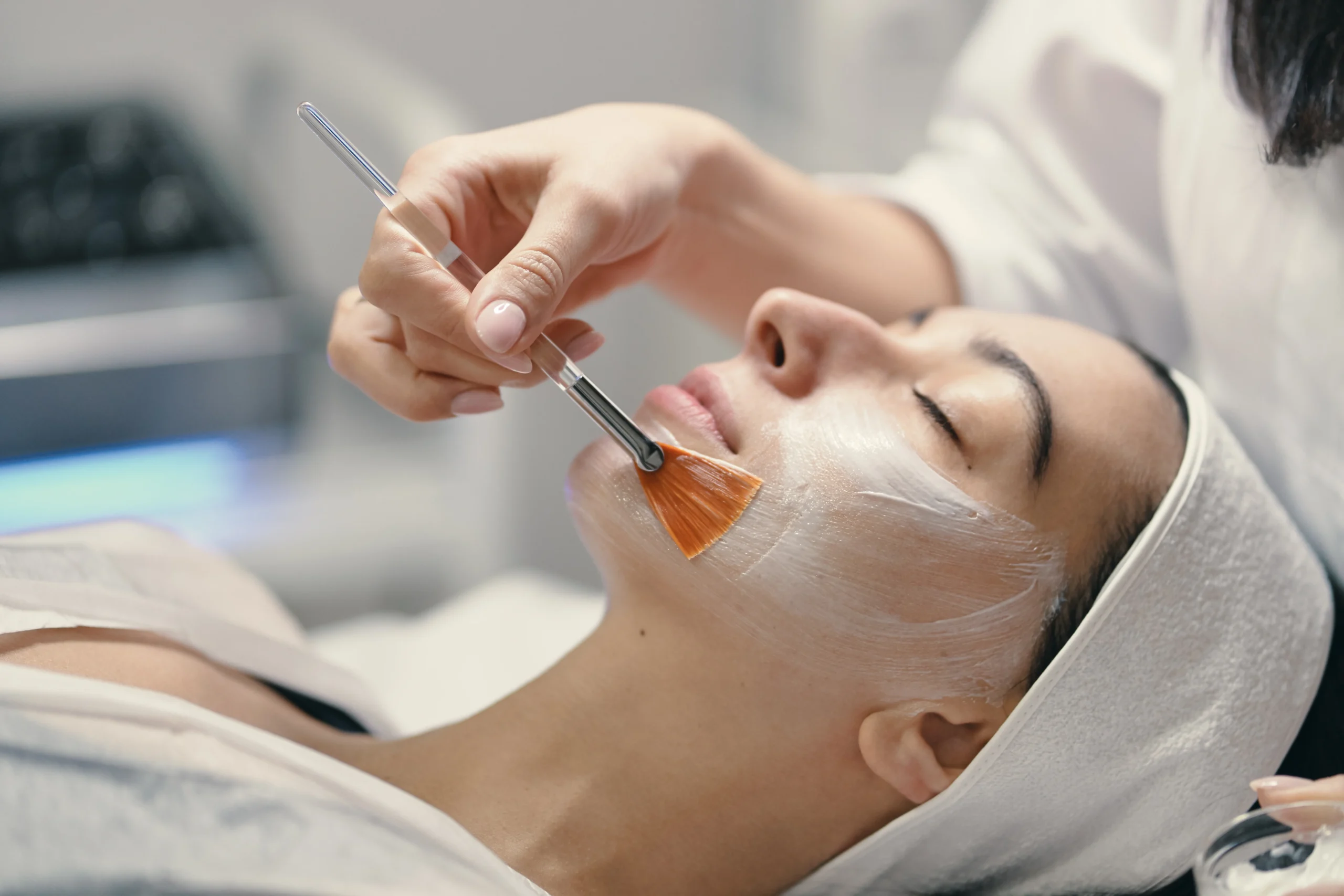
A chemical peel works by applying a controlled acid solution to the skin to exfoliate and remove the outermost, damaged layers. This process encourages the skin underneath to regenerate, which is what leads to visible improvements in texture, tone, pigmentation, and overall skin appearance. The key word is controlled the acid type, concentration, and application technique all determine how effective and how safe the treatment is.
The Four Types of Chemical Peels Covered in Training
Our non-invasive course goes in-depth on four core chemical peel types, each suited to different skin concerns and skin types.
1. Glycolic Acid Peel
Derived from sugar cane, glycolic acid has the smallest molecular size of the common peel acids, which allows it to penetrate the skin quickly and effectively. It’s widely used for general skin renewal, fine lines, and overall texture improvement, making it one of the most versatile peels taught in the course.
2. Salicylic Acid Peel
Salicylic acid is oil-soluble, meaning it can penetrate directly into pores rather than just sitting on the skin’s surface. This makes it especially effective for oily and acne-prone skin, where it helps clear congestion and calm breakouts from within the pore itself.
3. Lactic Acid Peel
Lactic acid is gentler than glycolic acid and comes with added hydrating properties, making it a strong option for sensitive or drier skin types. It’s commonly used for mild pigmentation and texture concerns where a more aggressive peel isn’t appropriate.
4. Mandelic Acid Peel
With a larger molecular size than glycolic or lactic acid, mandelic acid penetrates more slowly and gently. This makes it a preferred option for more sensitive skin and for patients with deeper skin tones, where the risk of post-inflammatory pigmentation from a stronger peel is a real clinical concern.
What's Actually Taught Beyond "Which Acid to Use"
Knowing the four acid types is only the starting point. Proper training goes further, covering:
- Skin typing and assessment matching peel type and strength to the patient’s actual skin, not a one-size-fits-all approach
- Application technique layering, timing, and neutralization where relevant
- Patient safety protocols hygiene standards and contraindication awareness
- Post-treatment care what to advise patients on aftercare, sun protection, and recovery expectations
- Realistic outcome-setting helping patients understand what a peel can and can’t achieve, and over what timeline
This is the difference between a practitioner who can technically apply a peel and one who can actually manage a patient’s full treatment journey safely.
Where Chemical Peel Training Fits: Non-Invasive Course
Chemical peel training sits within London Aesthetics U.K. Training Institute’s Non-Invasive Aesthetics Course, alongside laser treatments, medical-grade facials, microneedling, BB Glow, 5D HIFU, and Pro-Hydra facials. It’s grouped here because chemical peels work on the skin’s surface layers without needles or injections distinct from the invasive course’s injectable-based training in Botox, dermal fillers, and similar procedures.
This distinction matters for planning your own training path. If chemical peels and skin-focused treatments are your primary interest, the non-invasive course is the direct route. If you’re also aiming to offer injectable treatments like Botox or fillers, that requires the separate invasive course track, which carries its own eligibility requirements.
Trained Across Pakistan
London Aesthetics U.K. Training Institute trains doctors and qualifying non-medical professionals from across Pakistan, not just those local to Lahore or Islamabad. With hands-on training campuses in both cities, practitioners travel in specifically for the supervised, live-model practice that a UK-registered institute provides the kind of real repetition that’s genuinely required to master something like acid selection and application technique confidently.
Who Can Enroll
- Non-Invasive Course (Chemical Peels, laser, HIFU, and more): Doctors and qualifying non-medical professionals, including aestheticians and cosmetic professionals
- Invasive Course (Botox, fillers, and injectables): MBBS doctors registered with PMDC/PMC
Frequently Asked Questions
What types of chemical peels are taught in aesthetic training?
Training typically covers four core types: Glycolic Acid, Salicylic Acid, Lactic Acid, and Mandelic Acid peels, each suited to different skin concerns and skin types.
Are chemical peels part of the invasive or non-invasive course?
Chemical peels are part of the non-invasive course, alongside treatments like laser therapy, HIFU, and microneedling, since they work on the skin's surface without needles or injections.
Which chemical peel is best for acne-prone skin?
Salicylic acid peels are commonly used for oily and acne-prone skin, since the acid is oil-soluble and can penetrate directly into congested pores.
