
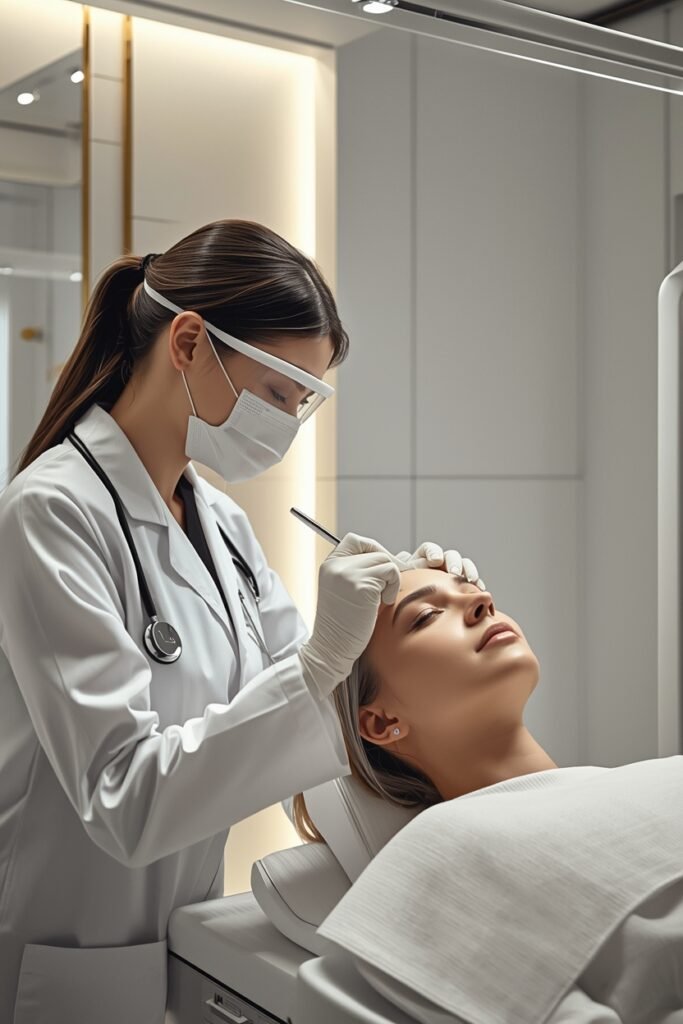
Why Elite Aesthetic Nurse Training is the New Clinical Standard
In the rapidly evolving world of healthcare, a new frontier has emerged where clinical precision meets artistic vision. The days when “nursing” was strictly confined to hospital wards are long gone. Today, thousands of Registered Nurses are pivoting toward a multi-billion dollar industry that offers something traditional bedside nursing often lacks: autonomy, creative fulfillment, and a booming market. However, the transition from the ICU to the aesthetic clinic isn’t just about learning to hold a syringe; it is about a fundamental shift in expertise governed by rigorous aesthetic nurse training.
The Evolution of the Aesthetic Institute
Transitioning into medical aesthetics requires a foundation that goes beyond basic anatomy. An elite aesthetic institute does more than teach injection sites; it immerses the practitioner in the “why” behind the “where.” As the demand for non-surgical enhancements skyrockets, the industry has seen a shift toward more comprehensive, science-backed curricula.
Modern training programs now focus on the “Global Approach”—treating the face as a holistic canvas rather than a collection of isolated wrinkles. This shift ensures that nurses aren’t just technicians, but specialized clinicians capable of managing complex facial dynamics and patient expectations.
Bridging the Gap, The Aesthetic Science Institute
To truly excel, a practitioner must look toward an aesthetic science institute that prioritizes evidence-based medicine. The science of aesthetics is grounded in rheology (the study of the flow of matter), tissue integration, and the complicated interplay of facial fat pads and bone resorption.
Top-tier training programs emphasize:
- Advanced Facial Anatomy: Deep dives into the “danger zones” to prevent vascular occlusions.
- Pharmacology of Neuromodulators: Understanding the molecular differences between leading brands.
- Complication Management: The hallmark of a professional is not just knowing how to inject, but knowing exactly how to respond when a procedure doesn’t go as planned.
Training as a doctor? See our 3-day non-invasive aesthetics course, the 2026 course fees and the aesthetic courses for doctors.
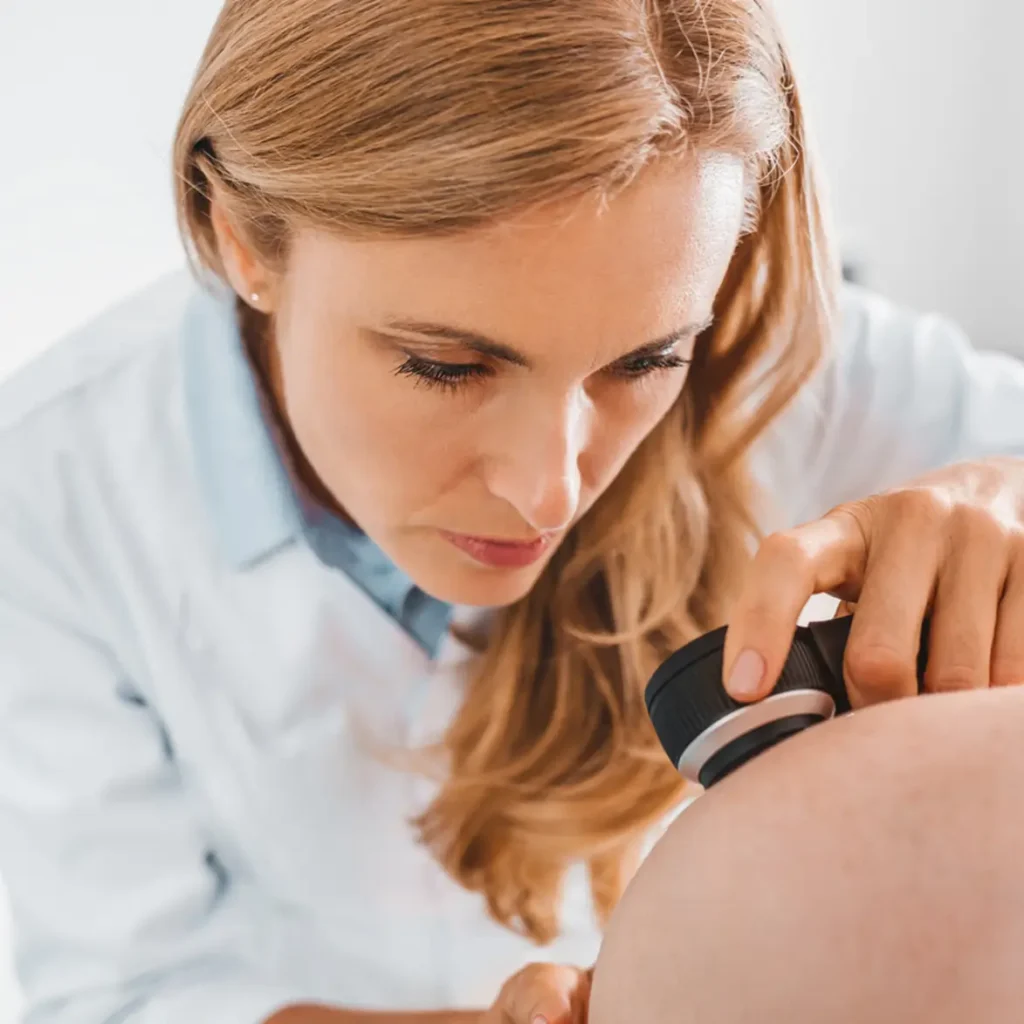
Why the Institute for Continuing Education and Aesthetic Training Matters
Aesthetics is a field of “ever-changing excellence.” What was considered best practice five years ago—such as over-filling the nasolabial folds, is now often viewed as outdated. This is why the institute for continuing education and aesthetic training is a vital partner for any serious nurse.
Continuing education ensures that practitioners stay ahead of the curve with emerging technologies like ultrasound-guided injections and bio-stimulators. In a field where trends move as fast as social media scrolls, staying stagnant is the quickest way to lose your patient base.
Decoding the Market, The Consumer Aesthetics Research Institute
Success in this industry isn’t just about clinical skill; it’s about understanding the person sitting in the chair. Insights from organizations like the Consumer Aesthetics Research Institute help nurses understand shifting beauty standards and consumer psychology.
We are currently seeing a move away from the “over-done” look toward “tweakments”, subtle, undetectable enhancements that favor skin quality and natural proportions. Understanding these sociocultural shifts allows aesthetic nurses to consult with empathy and authority, building long-term trust with a discerning clientele.
Conclusion: Crafting Your Career in Aesthetics
The path to becoming a top-tier aesthetic injector is paved with more than just good intentions; it requires a commitment to lifelong learning and a dedication to the highest clinical standards. By choosing the right aesthetic nurse training and aligning with institutes that value both the science and the soul of the craft, you are doing more than changing your career, you are defining the future of beauty.
For the modern nurse, the needle is no longer just a tool for medicine; it is a tool for empowerment. Choose your training wisely, respect the science, and never stop being a student of the aesthetic arts.
FAQ’s
What are the prerequisites for enrolling in aesthetic nurse training?
In most jurisdictions, you must hold a valid Registered Nurse (RN), Nurse Practitioner (NP), or Licensed Practical Nurse (LPN/LVN) license. While previous experience in dermatology or plastic surgery is helpful, many programs at an aesthetic institute are designed to transition nurses from general clinical backgrounds into medical aesthetics.
How long does a typical training program take?
Foundation courses often range from two-day intensive workshops to week-long certification tracks. However, true mastery requires ongoing enrollment in an institute for continuing education and aesthetic training. Mastery is measured in clinical hours and successful patient outcomes rather than a single weekend certificate.
Will I learn about more than just Botox and fillers?
Yes. A comprehensive Aesthetic Clinic curriculum covers a broad spectrum of treatments, including:
- Chemical peels and medical-grade skincare.
- Laser and Light-Based Therapies (IPL, Laser Hair Removal).
- Microneedling and Platelet-Rich Plasma (PRP).
- Vascular anatomy and emergency complication protocols.
Is the certification recognized globally?
While many institutes provide internationally recognized certificates of completion, your “scope of practice” is always governed by your local or regional nursing board. It is essential to ensure that your training meets the specific regulatory requirements of the country or state where you intend to practice.
How do I stay updated on changing beauty trends?
By following data from the Consumer Aesthetics Research Institute, practitioners stay informed on global shifts—such as the current move toward “prejuvenation” (preventative treatments for younger patients) and regenerative medicine (biostimulators).
