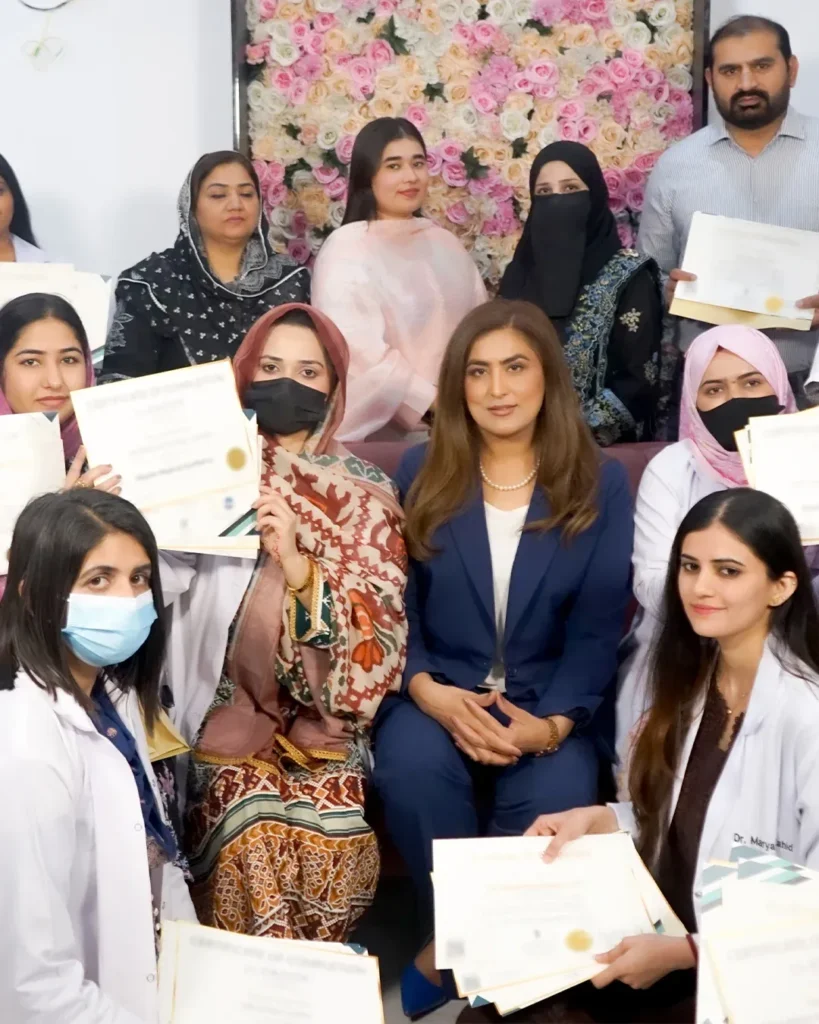
After MBBS or BDS and a house job, most doctors and dentists in Pakistan face the same question: which course next? Some want a long specialist route, others want a short course that adds a new service to their clinic within weeks. This guide lists the main options in dermatology and aesthetics, with honest notes on what each one does and does not give you.
Long Routes: Specialist Postgraduate Qualifications
If you want to become a specialist, you need a postgraduate qualification recognised by PMDC.
| Qualification | Typical duration | What it leads to |
|---|---|---|
| FCPS (CPSP), e.g. Dermatology | 4 years of residency | Consultant-level specialist practice |
| MD (university), e.g. Dermatology | About 5 years | Specialist practice and academic careers |
| MCPS (CPSP) | About 2 years | A recognised postgraduate qualification |
| University diplomas, e.g. D.Derm | About 2 years | A recognised diploma in the subject |
For dermatology specifically, compare these in FCPS vs MCPS vs MD Dermatology and read about the scope of dermatology in Pakistan.
Flexible Routes: Online Diplomas
- RCPI Professional Diploma in Dermatology: 9 months, 100% online, for doctors, GPs, dentists, nurses and pharmacists. It improves your management of common skin conditions while you keep working, but it does not give specialist registration. Course details.
- UK master’s programmes: some are part-time and online, but fees are high and many need dermatology experience. See MSc Dermatology UK vs Diploma in Pakistan.
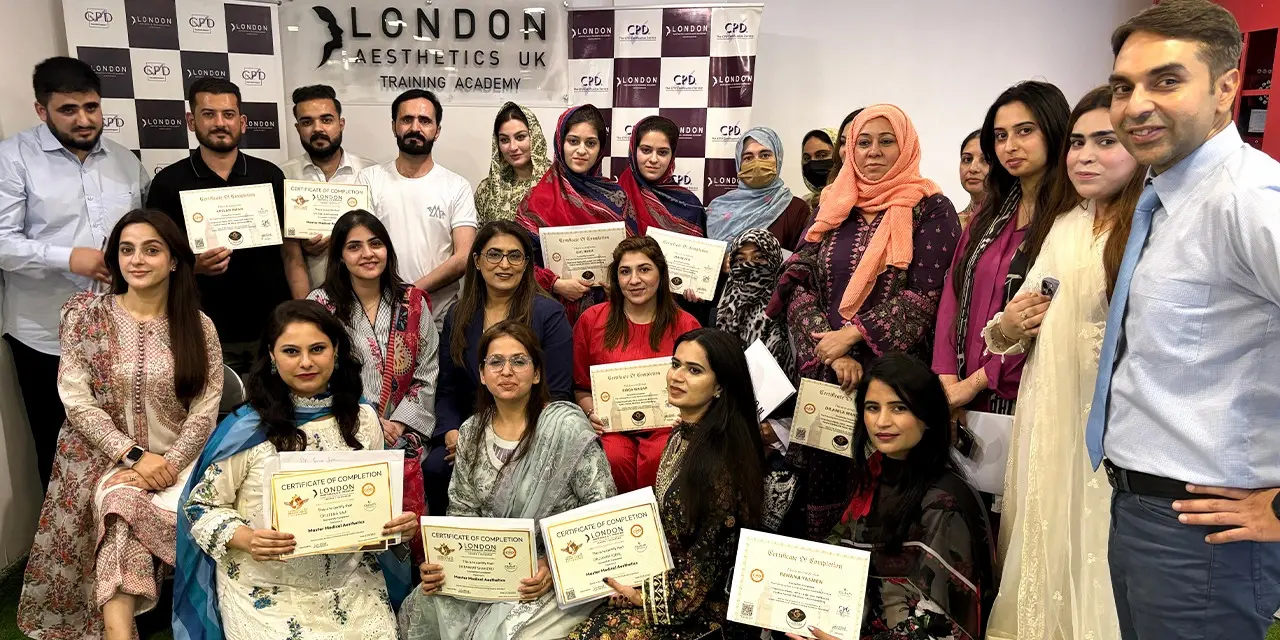
Short Courses After MBBS: Skills You Can Use in Weeks
| Course | Duration | Fee (PKR) |
|---|---|---|
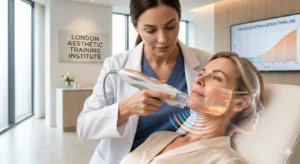
| Invasive Aesthetics (Botox, fillers, PRP) | 5 days | 300,000 |
| Non-Invasive Aesthetics (peels, microneedling, laser) | 3 days | 200,000 |
| Hair Transplant (FUE, FUT, DHI) | 2 days | 250,000 |
| PRP & Mesotherapy | Short course | See course page |
These are CPD-accredited training courses. They teach practical skills with live-model practice; they are not specialist qualifications. PMDC has been reviewing how aesthetic medicine training is recognised, so check current PMDC guidance before you plan a career built only on short courses.
Courses After BDS
Dentists already have detailed knowledge of facial anatomy, so many look at facial aesthetics and skin treatments after BDS.
- Skin and cosmetology treatments: our 3-day cosmetology course covers chemical peels, microneedling and laser, and is open to dentists.
- Injectables: eligibility for Botox and filler training can depend on the course and current regulations, so confirm with admissions before you book.
- Dermatology knowledge: the RCPI online diploma accepts dentists.
How to Choose
- You want to be a specialist: choose FCPS or MD in your chosen field.
- You want better clinical skills while working: an online diploma such as RCPI.
- You want to add a service to your clinic soon: a short hands-on course with live-model practice and a verifiable certificate.
Read our guide to CPD courses for doctors in Pakistan for how to judge course quality.
Frequently Asked Questions
What are the best courses after MBBS in Pakistan?
For specialist careers, FCPS or MD in your chosen field. For flexible study while working, online diplomas such as the RCPI Diploma in Dermatology. For quick practical skills, short CPD courses such as aesthetics, PRP or hair transplant training.
Which dermatology courses can I do after MBBS?
FCPS, MD and MCPS Dermatology, university diplomas such as D.Derm, and online programmes such as the 9-month RCPI Professional Diploma in Dermatology.
What courses can dentists do after BDS?
Dentists often choose skin and cosmetology courses, the RCPI online dermatology diploma, and facial aesthetics. Eligibility for injectables training can vary, so confirm with the provider first.
Do short aesthetic courses make me a specialist?
No. Short CPD courses teach practical skills but are not specialist qualifications. Specialist recognition requires a PMDC-recognised postgraduate qualification.
Which short course is most popular with doctors?
The 5-day Invasive Aesthetics course (Botox, fillers and PRP) is the most common starting point for doctors adding aesthetics to their practice.