Dermatology is one of the most sought-after specialties for young doctors in Pakistan, and for good reason. Skin, hair and nail problems bring huge numbers of patients to clinics every day, cosmetic treatments are booming, and much of the work is outpatient-based with predictable hours. This guide explains the scope of dermatology in Pakistan, the career paths available, and the training routes that lead there.
Why Dermatology Has Strong Scope in Pakistan
- High patient volume: acne, eczema, psoriasis, fungal and scabies infections, pigmentation and hair loss are everyday presentations in both GP and hospital clinics.
- Climate and lifestyle: heat, humidity, sun exposure and pollution drive conditions such as melasma, fungal infections and photo-ageing.
- Growing cosmetic demand: patients increasingly ask for acne-scar, pigmentation, anti-ageing and hair-loss treatments.
- Uneven access: specialist dermatologists are concentrated in large cities such as Lahore, Karachi and Islamabad, while smaller cities and rural areas have far fewer.
- Outpatient work: most dermatology is clinic-based, with fewer night calls than many other specialties.
Career Options in Dermatology
1. Consultant dermatologist (public or private hospital)
After a recognised postgraduate qualification you can work as a registrar and then consultant in teaching hospitals, district hospitals or private hospitals.
2. Private dermatology practice
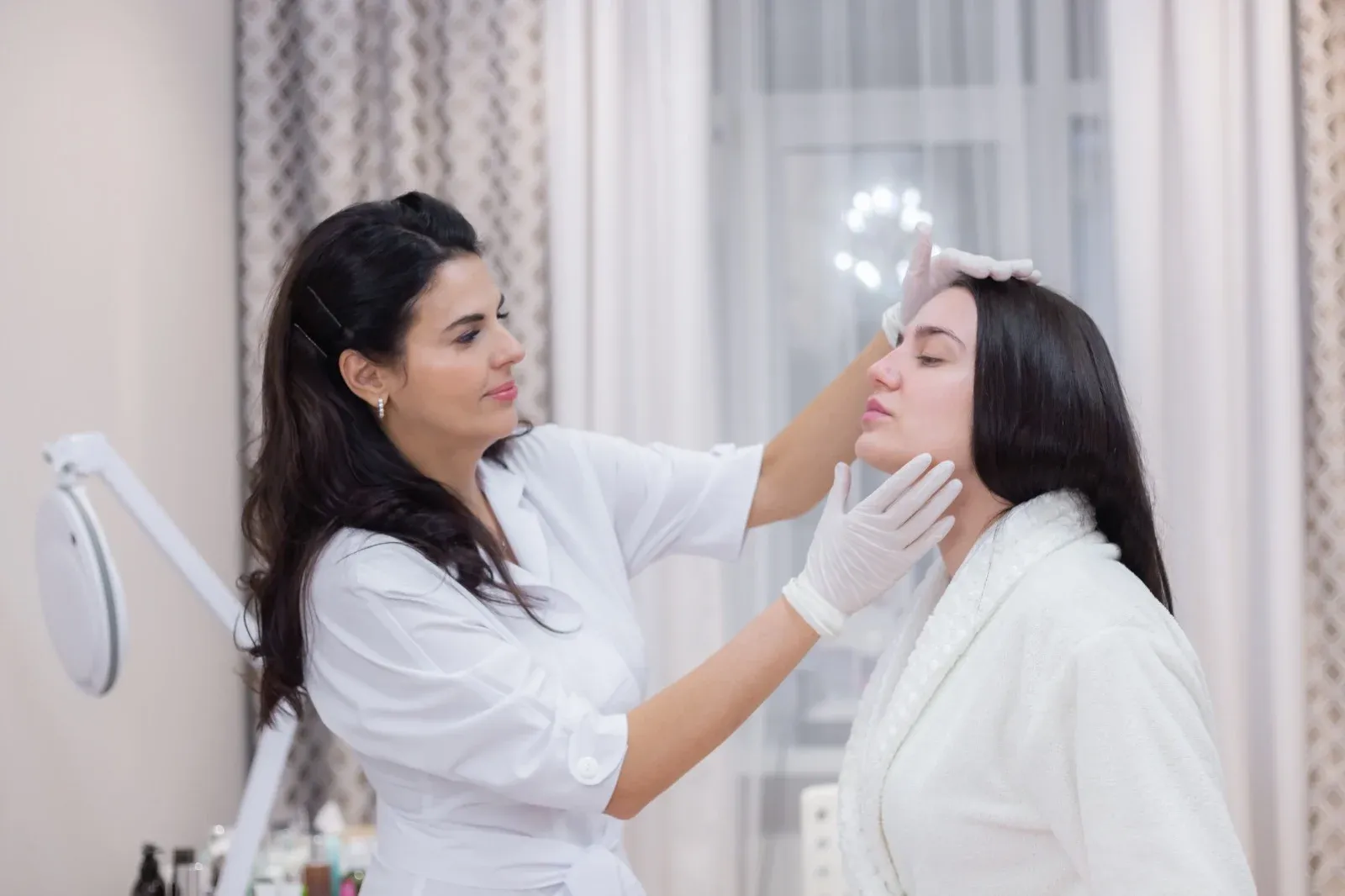
Many dermatologists run their own clinics, combining medical dermatology with procedures such as chemical peels, lasers and minor skin surgery.
3. Cosmetic and aesthetic dermatology
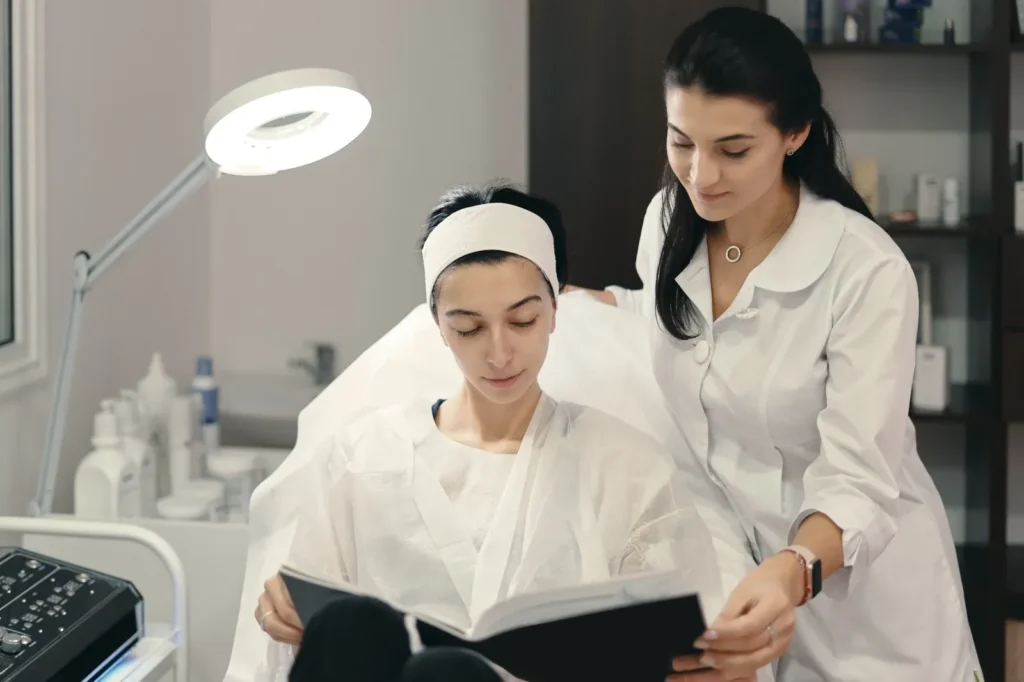
Cosmetic dermatology (pigmentation, acne scars, anti-ageing, hair restoration) is one of the fastest-growing areas. It needs proper training in procedures, anatomy and complication management.
4. Teaching and research
Medical colleges need dermatology faculty, and postgraduate trainees are expected to complete research. Academic careers suit doctors who enjoy teaching.
5. Teledermatology and pharmaceutical roles
Online consultations, medical advisory roles in pharmaceutical and skincare companies, and clinical trials are newer options.
6. Working abroad
Some Pakistani dermatologists move to the Gulf, the UK or elsewhere. Each country has its own licensing and exam requirements, so check the regulator of the country you are targeting.
How to Become a Dermatologist in Pakistan
- Complete MBBS and register with PMDC.
- Complete a one-year house job (some programmes also ask for house job months in medicine).
- Pass the entry test for your chosen postgraduate programme (for example CPSP’s FCPS Part 1, or a university entry test for MD).
- Complete supervised residency in a recognised dermatology unit, including research.
- Pass the exit examinations and register your postgraduate qualification with PMDC.
The main routes are FCPS (CPSP), MD (universities such as UHS), MCPS and university diplomas in dermatology. We compare them in detail here: FCPS vs MCPS vs MD vs Diploma in Dermatology.
Dermatology Skills for Doctors Who Are Not Specialists
Not every doctor can leave practice for a four or five-year residency. GPs, family physicians and medical officers still see skin patients every day and benefit from structured dermatology training. Two practical options:
- Online professional diploma: the 9-month RCPI Professional Diploma in Dermatology is 100% online, with one live tutorial a week. It improves diagnosis and management of common skin disease and covers cosmetic dermatology, but it does not give specialist registration.
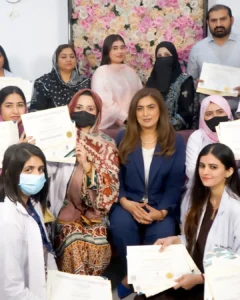
- Hands-on procedure training: short aesthetic courses teach practical skills such as chemical peels, microneedling and laser on live models.
Before offering cosmetic or aesthetic procedures, check the current PMDC and provincial healthcare commission requirements, because regulators have tightened the rules on who may perform them.
Challenges to Know About
- Competition for training seats: dermatology residency posts are limited and competitive.
- Long training: specialist routes take two to five years after house job.
- Quacks and unregulated clinics: patients often visit unqualified providers first, so qualified dermatologists spend time correcting complications.
- Keeping up with devices and products: cosmetic dermatology changes quickly and needs ongoing CPD.
Is Dermatology Worth It?
For doctors who enjoy visual diagnosis, procedures and long-term patient relationships, dermatology offers strong demand, flexible practice options and good work-life balance. Plan your route early, aim for a recognised postgraduate qualification if you want to be a specialist, and use CPD courses to keep your skills current.
Frequently Asked Questions
Is there scope of dermatology in Pakistan?
Yes. Skin, hair and nail problems are among the most common reasons patients see a doctor, demand for cosmetic dermatology keeps growing, and qualified dermatologists are concentrated in big cities. This creates opportunities in hospitals, private clinics, teaching, research and cosmetic practice.
How long does it take to become a dermatologist in Pakistan?
After MBBS and a one-year house job, FCPS Dermatology (CPSP) usually takes four years of supervised residency, and MD Dermatology at universities such as UHS takes five years. MCPS and university diplomas in dermatology take about two years.
Can a GP practise dermatology without FCPS?
GPs treat common skin conditions every day. To be recognised as a specialist dermatologist you need a PMDC-recognised postgraduate qualification such as FCPS, MD or MCPS. Short courses and online diplomas improve your skills but do not make you a specialist.
Is dermatology a good field for female doctors in Pakistan?
Many female doctors choose dermatology because it offers mostly outpatient work, predictable hours and strong demand from female patients, especially in cosmetic dermatology.
What is the difference between a dermatologist and a cosmetologist?
A dermatologist is a doctor with postgraduate specialist training in skin, hair and nail disease. A cosmetologist or aesthetician focuses on beauty and skin-care treatments and may not be a doctor at all.
Can I study dermatology online from Pakistan?
Yes, for professional development. The RCPI Professional Diploma in Dermatology is a 9-month online programme for working doctors, GPs, dentists, nurses and pharmacists. It improves clinical skills but does not give specialist registration.