
Choosing between a dermatologist and an aesthetician is not just a cosmetic decision—it’s a medical, professional, and sometimes career-defining one. Many people assume both roles are the same, yet their responsibilities, qualifications, and treatment approaches are very different.
Understanding the difference between a dermatologist and an aesthetician helps you make informed choices, whether you’re seeking treatment for a skin condition, planning long-term skincare, or exploring a career in dermatology or aesthetics.
Training as a doctor? See our RCPI-affiliated Professional Diploma in Dermatology, the 2026 course fees and the 2026 training calendar.
Skin concerns usually show up on the surface—acne, pigmentation, aging, or hair loss—so people naturally assume cosmetic treatments are enough. That’s where confusion starts.
Some skin problems are medical in nature, linked to hormones, genetics, or internal health. Others are cosmetic, focused on appearance, maintenance, and prevention. When the wrong professional is chosen, results may be temporary or ineffective.
This is why knowing when to choose dermatology vs aesthetics matters.
Dermatology is a medical specialty that deals with diseases and disorders of the skin, hair, nails, and mucous membranes. It is practiced by licensed medical doctors who complete an MBBS degree followed by specialized dermatology training.
Dermatologists diagnose conditions that often have internal or systemic causes, not just surface-level symptoms.

In short, if a skin concern needs diagnosis, medication, or medical judgment, a dermatologist is essential.
Aesthetics is a non-medical cosmetic field focused on improving skin appearance, texture, and overall health. It is practiced by trained aestheticians, also known as skincare specialists.
Aesthetic care works best after medical issues are ruled out or controlled. Its goal is prevention, enhancement, and long-term skin maintenance.
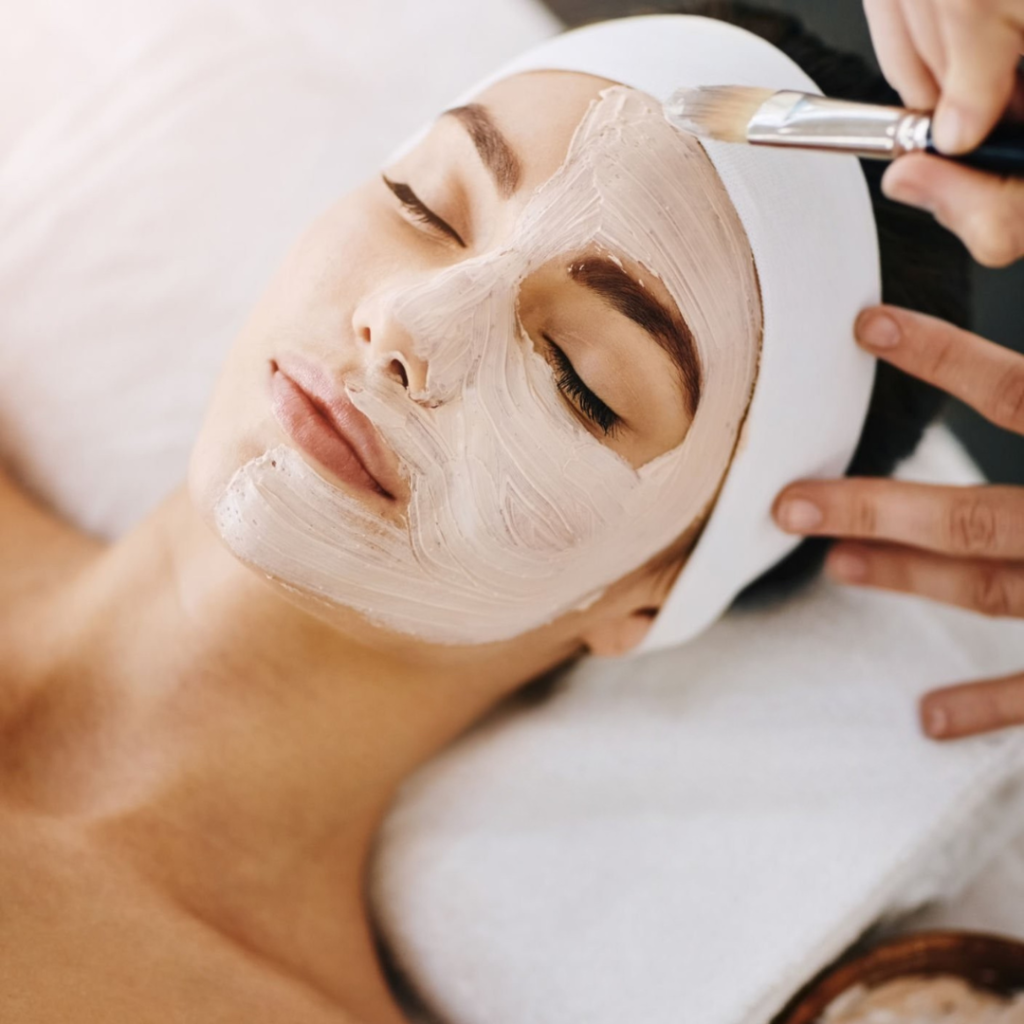
Aestheticians do not diagnose diseases or prescribe medication.
Field
Medical
Medical
Cosmetic & Wellness
Qualification
MBBS + specialization
Medical Diagnosis
Yes
No
Disease Treatment
Yes
No
Cosmetic Treatments
Yes
Yes (non-medical)
Surgical Procedures
Yes
No
Best For
Skin diseases & medical conditions
Skin maintenance & enhancement
In Pakistan, both fields offer strong career potential—but with very different entry paths.
To become a dermatologist, you must
This path is highly competitive, time-intensive, and limited in seats.
Aesthetics offers a faster and more accessible career route, especially for:
Certified aesthetic courses, BS Aesthetic & Skin Care Technology, and BS Cosmetology programs are increasingly popular—particularly in Lahore and Islamabad.
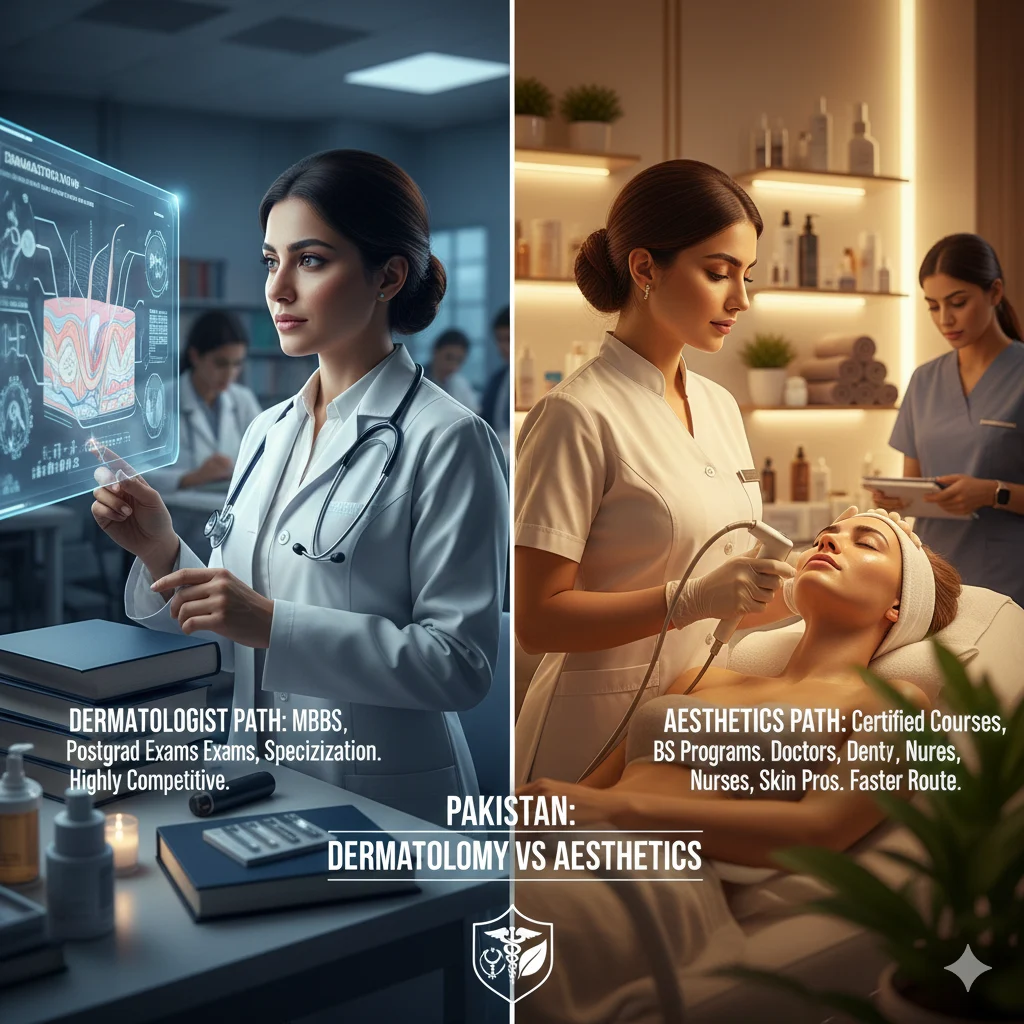
Dermatology provides long-term medical authority and hospital-based practice. Aesthetics offers flexibility, entrepreneurship, and growing demand in private clinics.
With rising interest in non-surgical cosmetic treatments, aesthetics has strong growth potential in Pakistan, especially when backed by international training standards.
Botox is considered a medical aesthetic procedure. It should be performed by qualified doctors or under proper medical supervision. This is where dermatology and aesthetics often overlap—requiring both clinical knowledge and aesthetic expertise.
Modern skin care works best when medical dermatology and aesthetics are integrated, not separated.
Dermatologists treat the root medical cause
Aestheticians maintain and enhance skin results
This collaborative approach ensures safe, effective, and long-lasting outcomes.
At London Aesthetics UK, we follow a medically informed, ethically guided approach to aesthetic education and practice.
At London Aesthetics UK, we follow a medically informed, ethically guided approach to aesthetic education and practice.


We combine UK-standard aesthetic training with medical principles, focusing on
No. Dermatology is a medical field, while aesthetics focuses on cosmetic skin care and maintenance.
No. An aesthetician is a trained skincare professional, not a medical doctor.
You can enroll in certified aesthetic programs offered by international institutes such as London Aesthetics UK.
Aesthetics has strong demand due to increased interest in non-surgical cosmetic treatments.
Earnings vary by experience and clinic setup, but trained professionals can earn competitively in private practice.
The real difference between a dermatologist and an aesthetician lies in medical authority vs cosmetic expertise. Neither is better—they serve different purposes.
The best skin results come from choosing the right professional at the right time, and often, from combining both.

WhatsApp us
WhatsApp us